
Mise à niveau environnementale du barrage de Montalivet EN
Brief overview
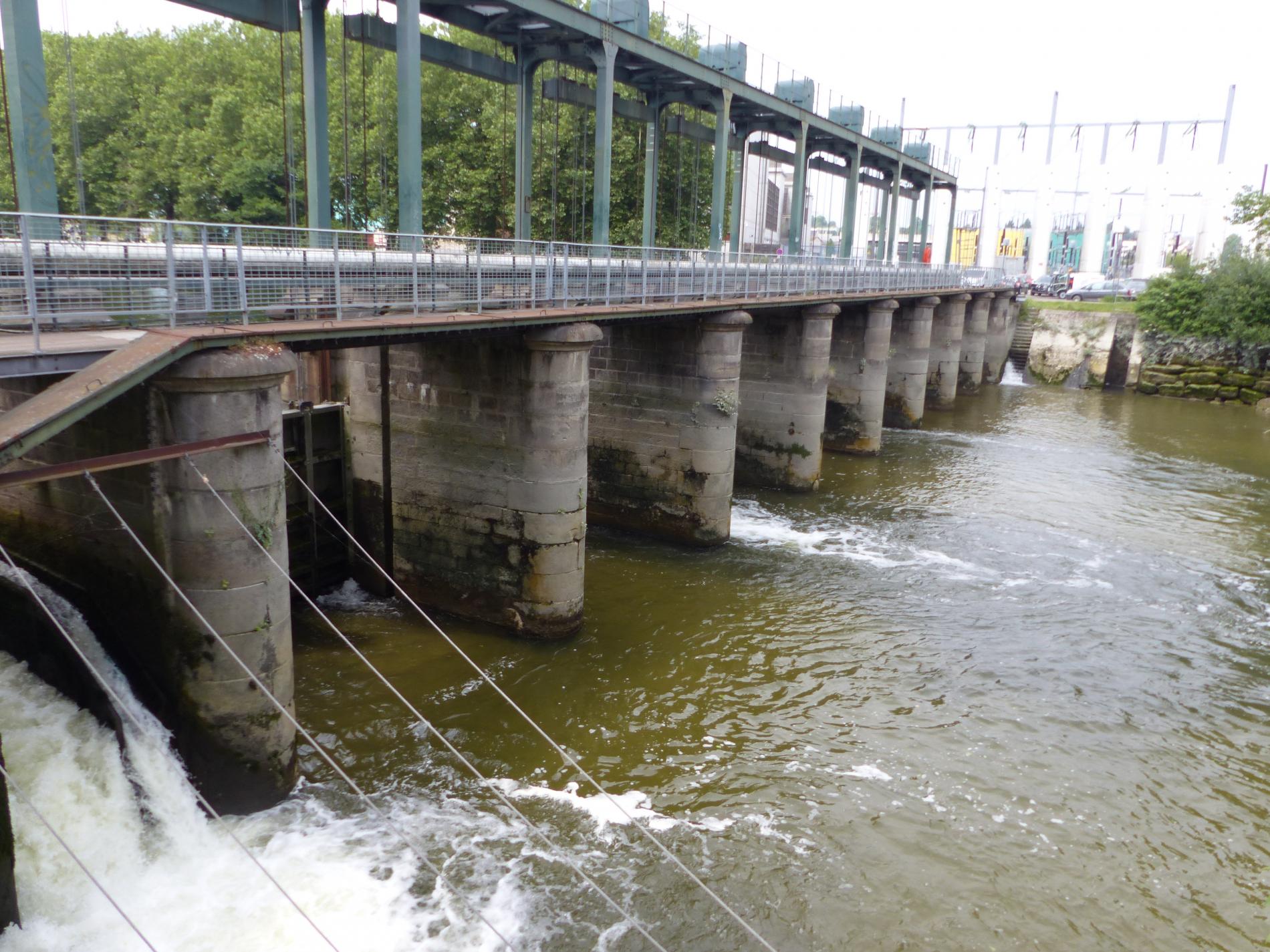
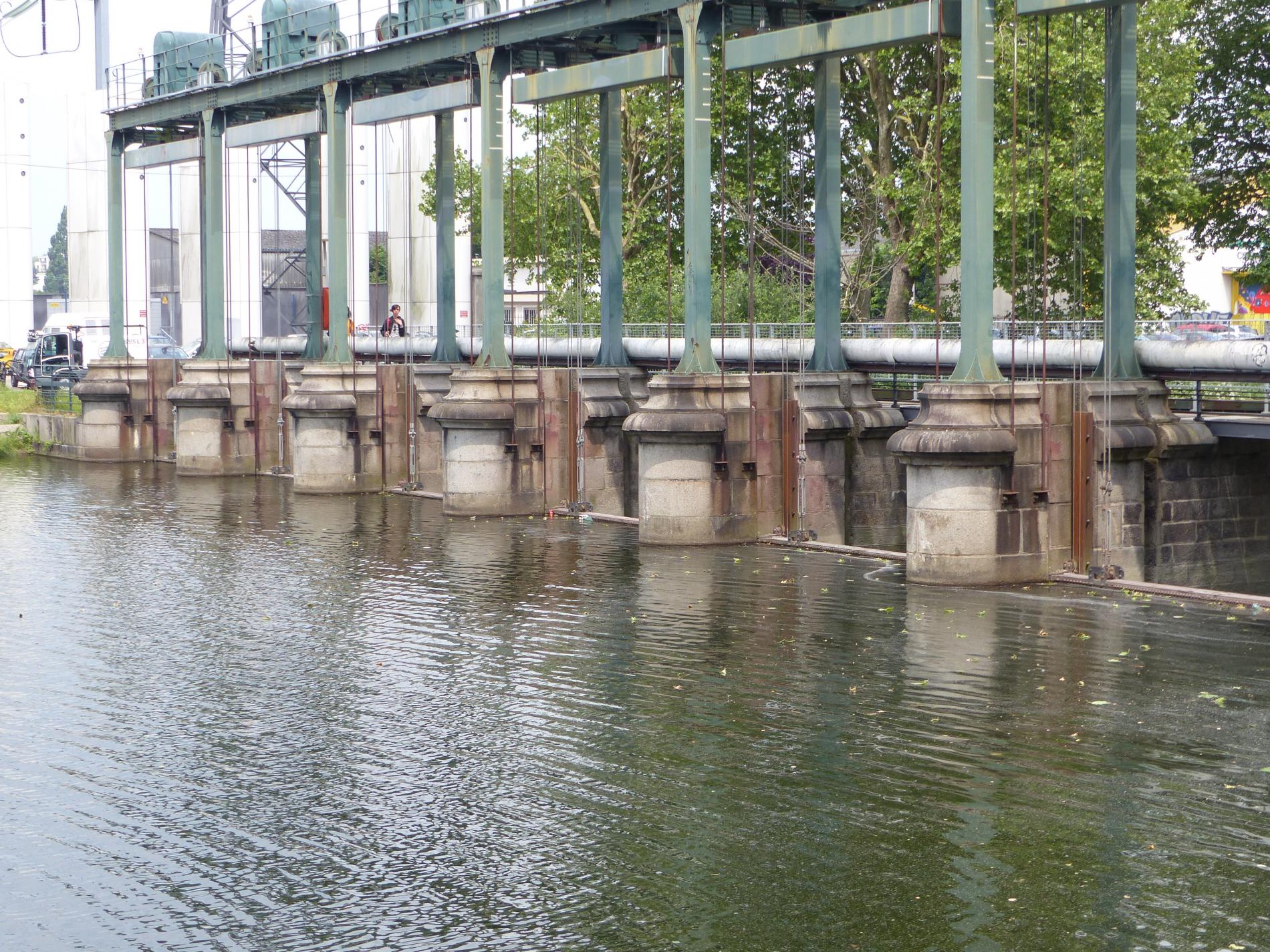
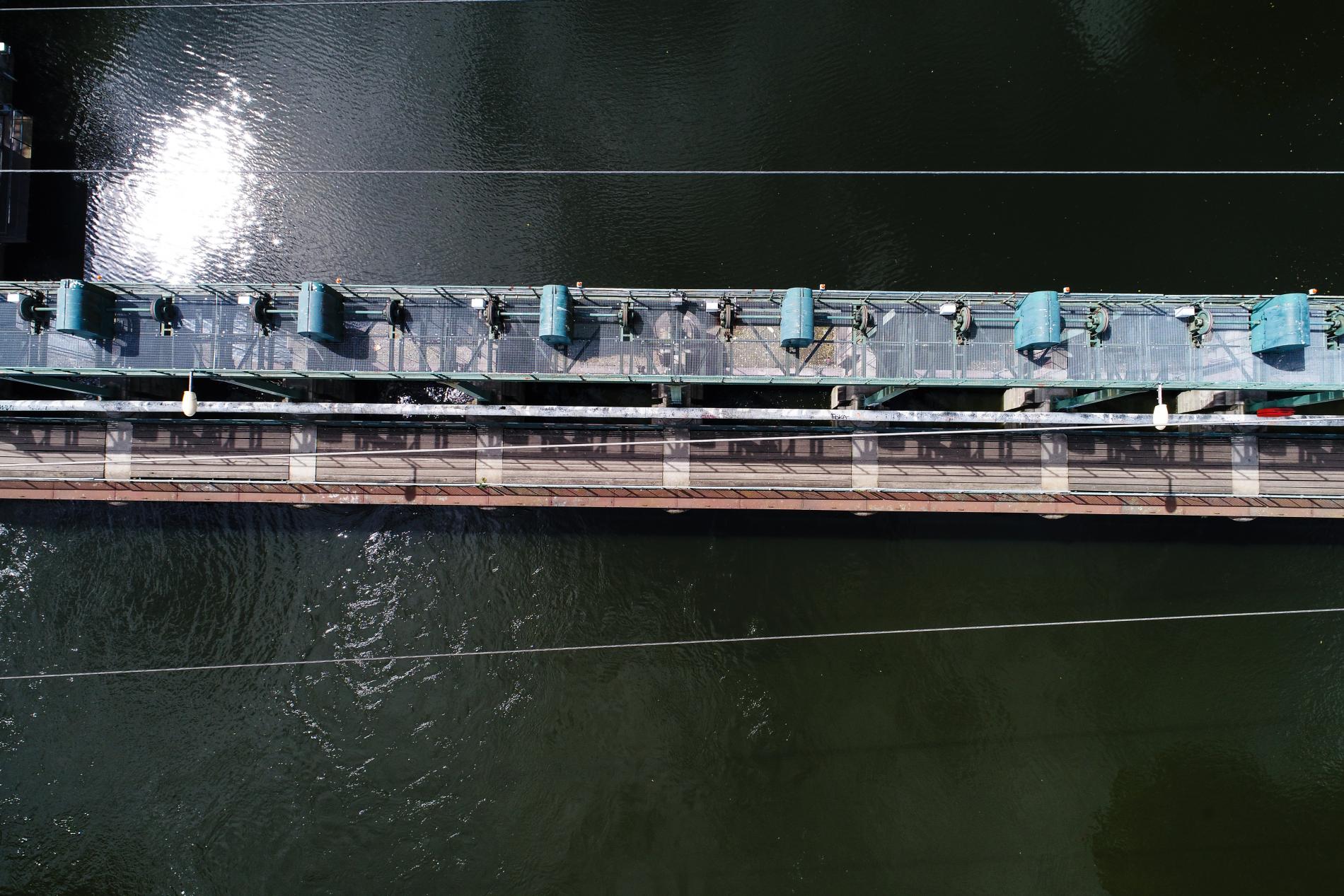
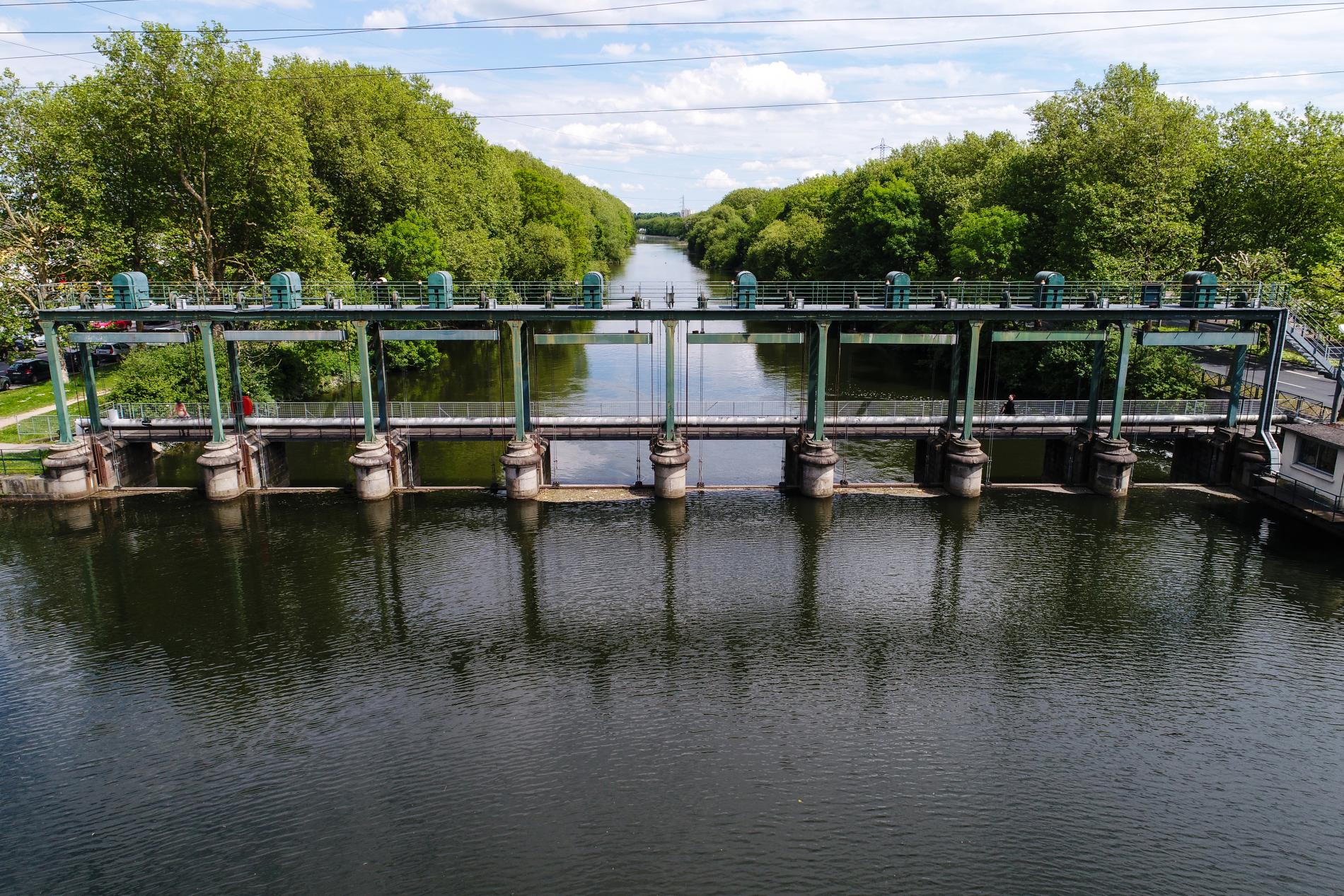
The Montalivet Barrage was built across the river Orne in 1908, and rebuilt between 1947 and 1949 after being damaged during the war. It plays a key role in the operation of the Port of Caen-Ouistreham. It keeps the water level in the Orne constant to supply the canal between Caen and the sea so that large commercial vessels can access the city.
Conservation of biodiversity
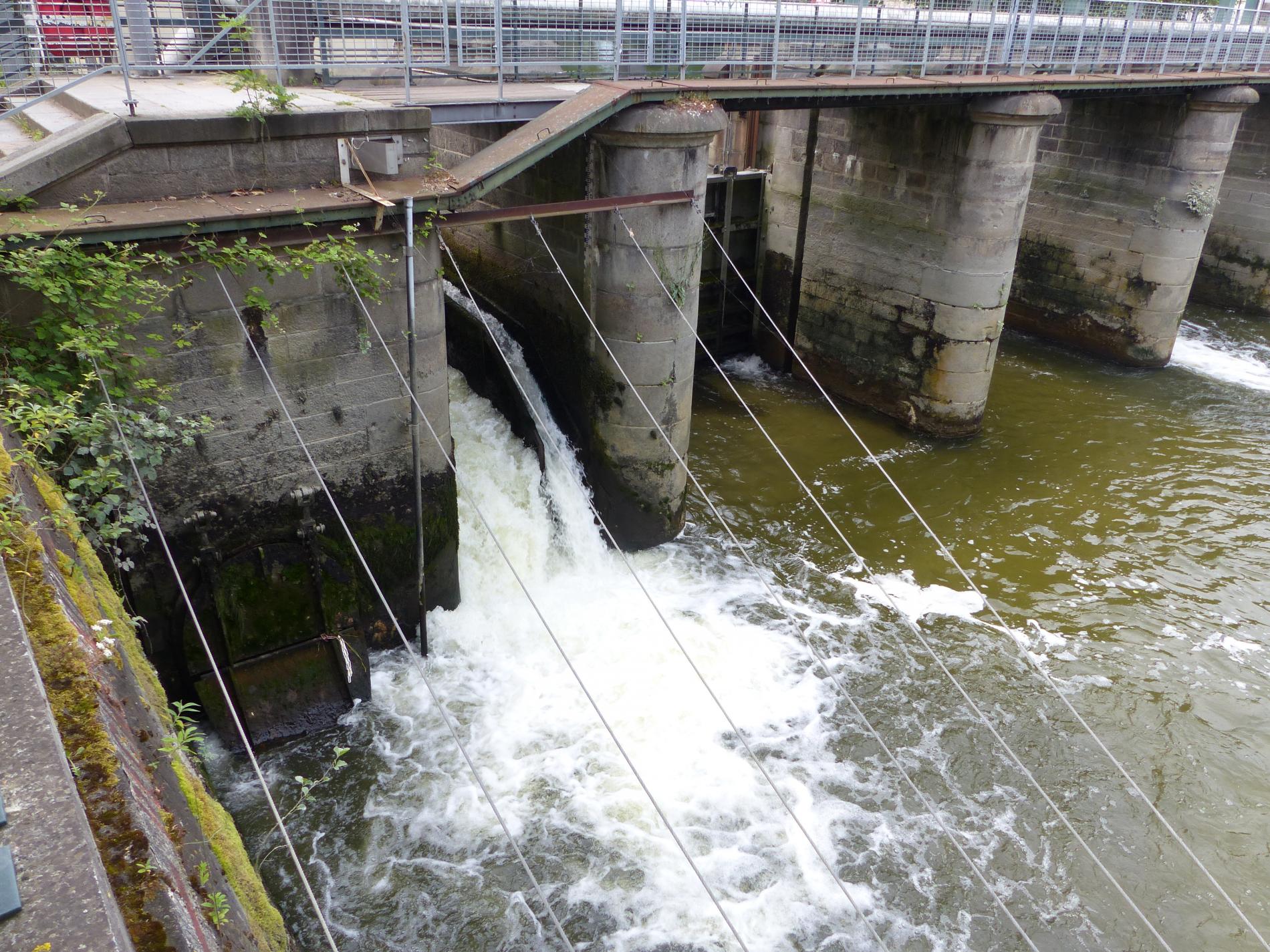
To ensure the ecological coherence of the Orne, animal species must be able to travel freely along its waters and sediment must also be allowed to circulate. However, a study carried out in 2016 revealed that the existing fish pass is too selective and does not ensure free passage for all the species targeted by regulations, such as eels, Atlantic salmon, sea trout, river trout, lampreys, pike, rheophilic cyprinids and allis shad.
A project still under assessment
A technical committee involving representatives from public bodies (DREAL, DDTM, French Office for Biodiversity), the regional water authority, Caen la Mer authorities, the French Fishing Federation and Ports of Normandy has identified a new fish pass that would be suitable for all the above species. The downside is that, in 2024, the studies carried out led to a cost estimate of 8 million euros for the works, well above the €800,000 initially estimated. This sizeable difference in cost is primarily explained by the complexity of the site, which includes a structure exposed to tidal flows and river flooding, the presence of rainwater drainage and power line networks nearby, and a poor-quality subsoil. All these complications require elaborate construction solutions.
In response to these challenges, the elected representatives of Ports of Normandy met on 15 November 2024 and decided to carry out further studies to ensure that the work eventually undertaken meets environmental rehabilitation goals in an economically sustainable way. The studies will gather more information about fish populations, analyse how the structure effectively operates and examine all possible solutions. We should have the results by autumn 2026.